Retro Rainbow Art Embroidery Pattern Review
As an embroidery designer who has spent countless weekends setting up booths at local craft fairs and managing online shops, I know that not every design translates well from screen to stitch. When I first pulled up the Retro Rainbow Art Embroidery Pattern, my immediate goal was to determine if it had the visual punch required for a busy market environment. This is not just about aesthetics; it is about viability as a craft fair product that stops shoppers in their tracks.
First Impressions and Aesthetic Appeal
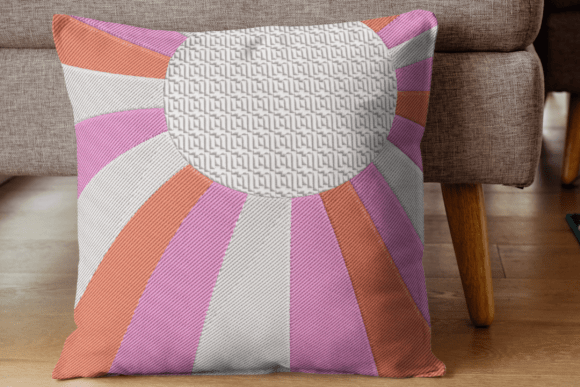
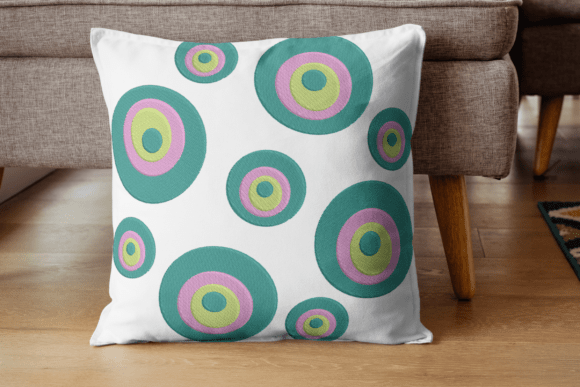
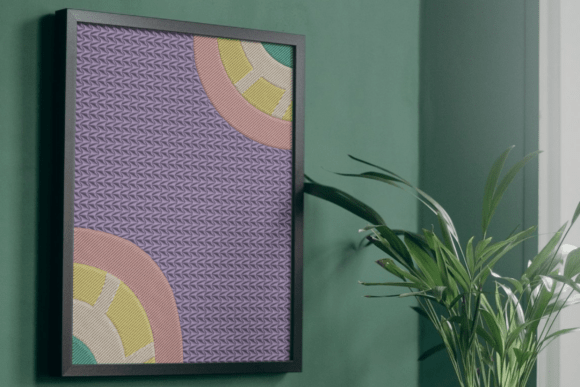
The title suggests a blend of nostalgia and vibrancy, which aligns perfectly with current trends in the Boho category. Upon reviewing the preview images, the design feels both bold and playful. It does not lean into the overly rustic or minimal styles that have saturated the market in recent years. Instead, it offers a decorative flair that feels premium yet accessible. For a handmade shop owner, this balance is crucial. You want a design that looks intricate enough to justify a higher price point but simple enough to be understood at a glance by a passerby walking past your table.
The description mentions an elegant flower pattern integrated with the retro rainbow motif. This combination is smart. Pure geometric rainbows can sometimes feel too juvenile for certain demographics, while floral elements alone can feel traditional. Merging them creates a unique machine embroidery design that appeals to a broad audience, from young adults looking for trendy accessories to older buyers seeking cheerful home decor.
Product Versatility for Craft Fairs
To truly evaluate this digital embroidery file, I imagined how it would perform across various substrates commonly sold at weekend markets. Here is where the Retro Rainbow Art Embroidery Pattern shines:
- Tote Bag Design: This is likely the strongest application. A canvas tote provides a large, flat surface that allows the colors to pop. The retro vibe pairs exceptionally well with natural cotton or hemp fabrics, creating a high-value handmade product that sells quickly.
- Apron Embroidery: Kitchenware is a staple at craft fairs. Placing this design on the bib of a linen apron creates a focal point that is both functional and artistic. It transforms a basic utility item into a giftable piece.
- Tea Towel Embroidery: While towels are popular, one must be cautious. The texture of waffle weave or terry cloth can distort small details. However, if the design has clean lines, it works beautifully on flat-weave flour sack towels, adding a splash of color to neutral kitchens.
- Embroidered Patch: If the design scales down well, it makes an excellent iron-on or sew-on patch. Patches are low-cost, high-margin items that encourage impulse buys at checkout.
- Caps and Pouches: Curved surfaces like caps require careful hooping. The design needs to be centered perfectly to avoid distortion. For small pouches, ensure the motif is not so large that it gets cut off by seams.
Production Practicality and Batch Selling
For any Etsy seller or boutique maker, time is money. A design that takes four hours to stitch is rarely viable for a small shop product unless you are charging luxury prices. The Retro Rainbow Art Embroidery Pattern appears to rely on solid fills and defined shapes rather than excessive micro-details. This suggests a reasonable stitch count, making it suitable for batch production. You can hoop multiple items, let the machine run, and move on to finishing tasks like trimming threads and pressing.
Photography is another critical factor. This design, with its implied vibrant thread colors, should photograph exceptionally well for online listings. High-contrast designs create eye-catching thumbnails, which is essential for driving traffic to your digital or physical store. Using a printable mockup during the planning phase can help you visualize how different thread palettes affect the final look before you commit to stitching.
Careful-Use Notes and Technical Considerations
While the design shows promise, there are technical aspects every embroiderer must verify before launching a full production run. Since the exact specifications such as stitch density, hoop size, and file formats are not explicitly detailed in the brief description, you must check these details in the actual product files.
- Fabric Texture: Test the design on scrap fabric first. Thick fabrics like denim may require a heavier needle and stronger stabilizer, while delicate silks might pucker if the stitch density is too high.
- Thread Contrast: Retro rainbows rely on color separation. Ensure your thread colors have enough contrast against the fabric. Stitching a pastel rainbow on white cotton may wash out, whereas bright threads on navy or black fabric will make the design stand out dramatically.
- Small Details: Inspect the floral elements. If they are too tiny, they may lose clarity when stitched out, especially on textured towels. Zoom in on the digitized file to check for potential jump stitches or dense clusters that could cause thread breaks.
- Stabilizer Selection: Choose the right stabilizer for your project. Cut-away stabilizer is best for stretchy fabrics like t-shirts, while tear-away works well for stable woven fabrics like tote bags and aprons.
Enhancing Brand Consistency and Buyer Engagement
Incorporating the Retro Rainbow Art Embroidery Pattern into your lineup can strengthen your brand identity if you position it correctly. It signals that your shop is current, fun, and attentive to design trends. For booth display strength, consider grouping all rainbow-themed items together. This creates a cohesive visual block that draws the eye from across the aisle.
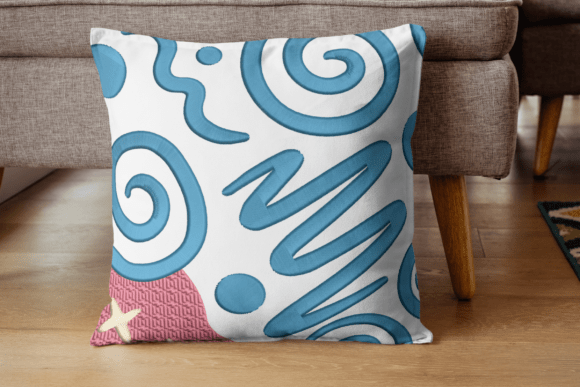
Buyer engagement increases when customers see a design applied to multiple products. Displaying the same motif on a pillow cover, a tote, and a patch shows versatility and helps customers imagine how the design fits into their lives. It also simplifies your marketing efforts, as you can use consistent design assets across social media platforms.
Final Designer Verdict
The Retro Rainbow Art Embroidery Pattern is a strong contender for any commercial embroidery portfolio focused on lifestyle and home goods. It balances whimsy with elegance, making it suitable for a wide range of finished product types. However, success depends on execution. Always confirm commercial licensing terms before selling items made with this file. Most designers allow physical sales but restrict the resale of the digital file itself.
Before listing these items in your small shop product inventory, stitch out a sample on each fabric type you plan to use. Check the back of the embroidery for excessive bulk and ensure the front lies flat. With proper preparation, this design can become a bestseller, adding a timeless and cheerful touch to your creative entrepreneurship journey.