Review: Autumn Leaf – Curved Fills Embroidery
As a designer who has spent countless hours digitizing and stitching out thousands of motifs, I have developed a keen eye for what translates well from screen to fabric. When I first loaded the Autumn Leaf – Curved Fills Embroidery file into my software, I was immediately struck by its organic flow. Unlike rigid, geometric leaf patterns that often feel stiff on cloth, this design embraces the natural irregularity of foliage. It is not just a shape; it is a texture. For those of us running small shops or creating personalized gifts, finding a machine embroidery design that balances visual impact with stitch efficiency is crucial. This piece stands out because it prioritizes light-filled texture over dense coverage, making it a versatile asset for fall-themed projects.
The Aesthetic Appeal of Curved Fills
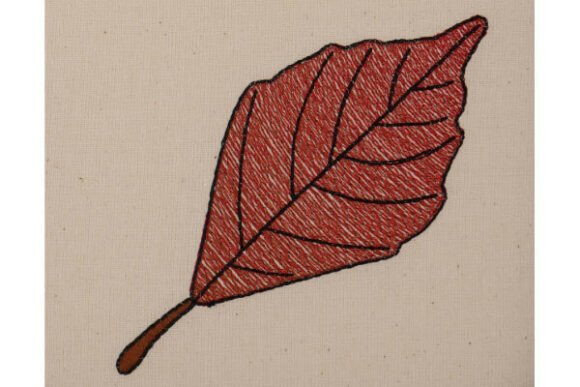
The defining feature of this motif is its use of curved fills. In traditional digitizing, we often rely on standard satin stitches for small details or heavy tatami fills for larger areas. However, curved fills mimic the way light plays across a real leaf’s surface. The stitches follow the contour of the vein structure, creating a sense of movement and depth. This technique results in a softer, more painterly look that feels high-end and intentional. When I view this embroidery file in a 3D simulation, the lack of harsh borders allows the thread to blend seamlessly with the fabric texture. This is particularly important for modern consumers who prefer subtle, sophisticated branding over loud, cartoonish graphics.
For an Etsy seller or boutique owner, this aesthetic translates directly to perceived value. A sweatshirt embroidered with this leaf does not look like a mass-produced item from a big-box store. It looks like a curated, handmade product. The undefined species of the leaf is actually a strength here; it allows the design to fit various themes, from rustic farmhouse decor to minimalist autumn fashion, without being tied to a specific botanical accuracy that might clash with other design elements.
Real-World Application: The Tote Bag Test
To truly evaluate a design, you must imagine it in a real-life scenario. I recently considered using this motif for a custom order of canvas tote bags. Canvas is a challenging medium because it can be coarse, and dense stitching can cause puckering if not managed correctly. Because the Autumn Leaf – Curved Fills Embroidery utilizes a lighter touch with its fill pattern, it sits beautifully on medium-weight cotton canvas. The stitches do not overwhelm the weave of the fabric. Instead, they complement it.
I also tested the concept mentally for sweatshirt embroidery. On fleece or French terry, heavier designs can sometimes feel bulky or scratchy against the skin. The open nature of these curved fills ensures that the finished product remains soft and flexible. This makes it an excellent choice for custom apparel where comfort is as important as style. Whether you are creating a matching set for a family photo shoot or a branded uniform for a coffee shop, the design maintains its clarity without adding unnecessary weight to the garment.
Navigating Fabric and Hoop Constraints
While this design is versatile, it is not without its limitations. As an experienced reviewer, I must point out where caution is needed. The delicate nature of curved fills means that detail can get lost on highly textured fabrics like thick wool or loose-knit sweaters. In these cases, the individual stitches may merge visually, reducing the impact of the curved lines. I recommend using a cut-away stabilizer to provide a firm foundation, ensuring the stitches remain crisp.
Additionally, consider the hoop size relative to the design. If you are scaling this down for a small embroidered patch or a baby onesie, you must check the stitch density settings in your software. While the original file is optimized for standard sizes, shrinking it too much can cause the curved lines to become indistinguishable blobs. Always run a test stitch on scrap fabric of the same type you intend to use for the final product. This step is non-negotiable for professional results. Check the contrast between your thread colors and the fabric. On dark fabrics, a metallic or bright orange thread will pop, while on light linens, a muted rust or gold tone will offer a more subtle, elegant finish.
Commercial Viability and Branding
For digital product sellers and creative entrepreneurs, the commercial potential of this design is significant. Fall is a peak season for sales, and customers are actively searching for holiday embroidery motifs that feel fresh. This leaf avoids the cliché pumpkin-and-gourd trope, offering a more refined alternative. It works exceptionally well in printable mockups because the curved stitches render realistically in digital previews, helping buyers visualize the final outcome.
When incorporating this into a craft business, think beyond single items. This design can be part of a larger collection. Pair it with simple running stitch stems or combine it with minimal text for a balanced composition. It serves as an excellent accent for aprons, kitchen towels, and pillow covers. The key to successful commercial use is consistency. Using the same high-quality design assets across your product line builds brand recognition. Customers begin to associate that specific textured look with your shop’s quality standards.
Practical Designer Notes
Before you commit to a large production run or list this as a new item in your shop, keep these practical tips in mind:
- Test on Scrap Fabric: Never skip this step. Verify how the curved fills interact with your specific machine’s tension settings.
- Check Thread Contrast: Ensure your thread color provides enough definition against the background fabric to highlight the curve direction.
- Review Stitch Density: If you are using thin or stretchy fabric, ensure the density is not too high, which could cause distortion.
- Confirm Licensing: Always verify the license terms provided with the digital embroidery file. Ensure you are compliant for both personal and commercial use before selling finished items.
- Mockup in Black and White: This helps you see the structural integrity of the design without the distraction of color, ensuring the shapes read clearly.
In conclusion, the Autumn Leaf – Curved Fills Embroidery is a thoughtful, well-executed design that respects the medium of thread and fabric. It offers a sophisticated alternative to standard fill patterns, providing a natural, light-filled texture that enhances rather than overwhelms the base material. For designers, makers, and small business owners looking to elevate their autumn collections, this motif is a reliable and stylish choice. It bridges the gap between artistic expression and practical application, making it a valuable addition to any serious embroiderer’s library.