Review: Layers of Florida Embroidery Files for Craft Fairs
As an embroidery designer who has spent countless weekends standing behind booth tables, I have learned that not every machine embroidery design translates well from the screen to a sellable craft fair product. When I first pulled up the Layers of Florida Embroidery Files, my immediate goal was to determine if this digital asset could carry the weight of a profitable weekend. The premise is simple: bring creative projects to life with high-quality digital appliqué. But does it hold up under the harsh fluorescent lights of a convention center or the natural light of an outdoor market? Here is my professional breakdown.
First Impressions and Aesthetic Appeal
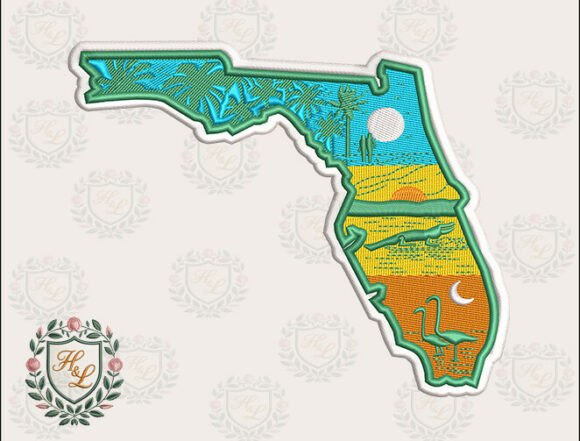
The title itself suggests depth and dimension. In the world of North America themed crafts, Florida designs often lean toward cheesy neon flamingos or generic palm trees. However, the concept of "layers" implies a more sophisticated approach. Upon reviewing the preview images, the design feels festive yet structured. It does not scream "tourist trap"; instead, it offers a curated look that fits perfectly into the modern handmade aesthetic.
For a boutique maker, this distinction is vital. The design appears bold enough to catch the eye from three feet away—a crucial metric for booth traffic—but detailed enough to reward closer inspection. It strikes a balance between cute and premium, making it suitable for both casual buyers and those looking for a higher-end handmade product.
Versatility Across Product Lines
The true test of any embroidery file is its adaptability. I evaluated how these files would perform on various substrates commonly found in my inventory. The description highlights shirts, tote bags, pillows, and festive decorations, but let us dig deeper into specific applications.
- Tote Bag Design: This is arguably the strongest candidate. Canvas totes provide a stable, flat surface that showcases appliqué work beautifully. The layers add texture without excessive bulk, making the bag functional rather than just decorative.
- Apron Embroidery: A full-bib apron offers a large canvas. Placing the design centrally creates a focal point that appeals to home cooks and entertainers. It transforms a basic utility item into a giftable keepsake.
- Tea Towel Embroidery: Here, caution is required. While the design is high-quality, tea towels have a loose weave. If the stitch density is too high, the fabric may pucker. I recommend testing on a heavier linen blend rather than a thin cotton waffle weave.
- Embroidered Patch: Creating iron-on patches is a massive trend for Etsy sellers. If the design holds its shape when cut close to the edge, it becomes a versatile design asset that customers can apply to jackets or hats themselves.
Production Practicality for Small Shops
When you are running a small shop product line, time is money. Batch production is key. The appliqué nature of the Layers of Florida Embroidery Files is a significant advantage. Appliqué reduces stitch count compared to full-fill designs, which means faster run times and less thread consumption. This efficiency allows you to produce more units per day, increasing your profit margin.
Furthermore, the design photographs exceptionally well. For an Etsy seller, visual appeal is everything. The layered elements create shadows and depth that look fantastic in photos, reducing the need for expensive props. A simple printable mockup can effectively showcase the design on multiple products, saving you hours of physical sample creation.
Technical Considerations and Careful-Use Notes
While the design is promising, practical execution requires attention to detail. As a designer, I always advise checking the following before committing to a large batch:
- Stitch Density: Review the density settings in your software. If the layers overlap significantly, ensure the underlying stitches are not so dense that they cause needle breaks or fabric distortion.
- Fabric Texture: Textured towels or thick denim may obscure tiny details. Ensure the contrast between the thread colors and the fabric is high. On dark fabric, use a bright stabilizer or backing to prevent the base color from showing through the appliqué fabric.
- Curved Surfaces: If applying this to caps, be mindful of the hoop size. Curved cap surfaces can distort wide designs. You may need to resize the file or adjust the placement to avoid wrapping around the side seams.
- Small Lettering: If the design includes text, verify legibility at smaller sizes. Tiny lettering can merge together after washing, especially on textured fabrics.
Enhancing Brand Consistency and Buyer Engagement
Using a cohesive set of designs like the Layers of Florida Embroidery Files helps build brand recognition. When customers see the same distinctive style on a pillow, a tote, and a shirt, they perceive a professional, curated collection. This consistency boosts buyer engagement and encourages multiple-item purchases.
In a crowded marketplace, your booth display strength relies on variety within unity. This design allows you to offer different price points—from a small embroidered pouch to a large pillow cover—while maintaining a unified theme. It feels like a complete collection rather than random items, which increases perceived value.
Designer’s Checklist Before Production
Before you list this as a commercial embroidery product, follow these steps to ensure quality:
- Test on Scrap Fabric: Always run a test stitch-out on the exact fabric type you intend to sell. Check for puckering or thread breaks.
- Check Thread Contrast: Ensure your chosen thread colors pop against the appliqué fabric. Muted tones may get lost in the layers.
- Confirm Hoop Size: Verify that the design fits your standard hoops. If it requires a large hoop, factor that into your pricing and production time.
- Inspect Stabilizer: Use the right stabilizer for the fabric weight. A cut-away stabilizer is often best for garments that will be washed frequently.
- Review Licensing: Since this is a digital embroidery file, confirm the commercial license terms. Ensure you are allowed to sell finished products made with this design, especially if you plan to scale up.
In conclusion, the Layers of Florida Embroidery Files offer a strong potential for craft fair success. They combine aesthetic appeal with production efficiency, provided you manage the technical aspects of appliqué carefully. By focusing on high-visibility items like tote bags and aprons, and maintaining strict quality control on stitch density and fabric choice, this design can become a staple in your finished product lineup. It is a solid choice for designers looking to add a touch of regional charm to their Embroidery portfolio without sacrificing professionalism.