Review: Mandala Style Flower Line Art Embroidery
As a designer who has spent countless hours digitizing patterns and troubleshooting machine glitches, I approach every new machine embroidery design with a critical eye. We have all seen those overly complex files that look stunning on a screen but turn into a tangled mess of thread breaks and puckering on fabric. That is why I was particularly interested in testing the Mandala Style Flower Line Art Embroidery. It promises simplicity, but in our industry, simplicity is often harder to execute perfectly than complexity.
First Impressions and Visual Mood
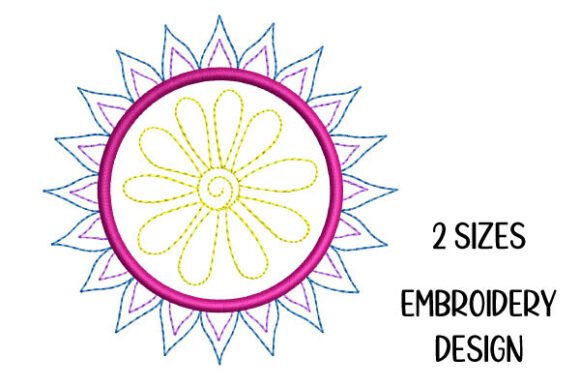
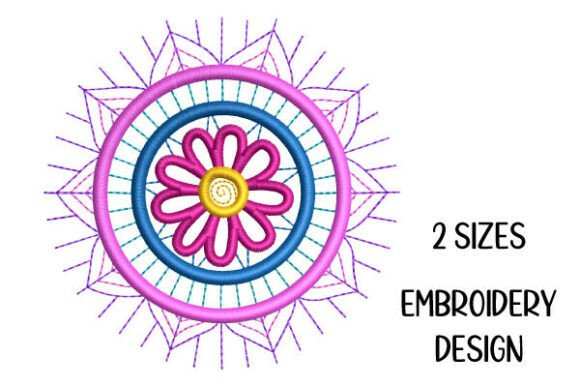
When I first loaded the embroidery file into my software, the immediate impression was one of calm precision. Unlike dense fill stitch patterns that rely on heavy coverage, this design leans heavily on clean lines and negative space. The mandala motif is petite, which suggests it is intended for subtle placement rather than being the loud centerpiece of a garment. The line work feels intentional, avoiding the jagged edges that sometimes plague auto-digitized circular patterns.
The visual personality here is timeless and elegant. It does not scream for attention; instead, it invites a closer look. This makes it an excellent candidate for brands or creators who value understated luxury. For an Etsy seller or small shop owner, this kind of aesthetic can elevate a basic item into something that feels curated and high-end without requiring expensive materials.
Real-World Application: The Tote Bag Test
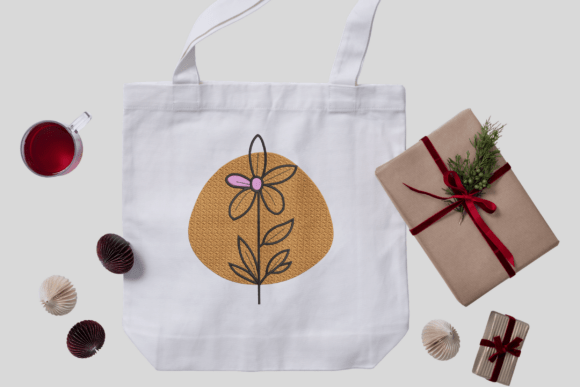
To truly evaluate how Mandala Style Flower Line Art Embroidery performs, I decided to use it in a real-life scenario: a custom canvas tote bag order for a local boutique. The client wanted a minimalist tote bag design that would appeal to customers who prefer organic, earthy vibes. I chose a natural, unbleached cotton canvas for the project.
Because the design relies on precise lines, I paid close attention to the stitch density. If the density is too low, the fabric shows through awkwardly; if it is too high, the fabric puckers. In this case, the balance was spot on. The running stitch elements provided a delicate outline that held up well against the textured weave of the canvas. I used a contrasting dark green thread, which made the mandala pop without looking garish. The result was a handmade product that looked professional and durable, exactly what the client needed for their brand consistency.
Versatility Across Products
Beyond tote bags, this design shines in several other areas. I can easily see it working as sweatshirt embroidery on the left chest area, where a large logo might feel too aggressive. Its petite size makes it ideal for baby embroidery on onesies or burp cloths, provided you use soft threads and proper stabilization. It also translates beautifully to embroidered patch projects, where the clean lines ensure the design remains legible even at smaller scales.
For those creating holiday embroidery gifts, this mandala can be adapted with seasonal thread colors. Imagine it stitched in silver on a navy pillow cover for winter, or in pastel pinks on a linen tea towel for spring. Its versatility as a design asset is one of its strongest selling points for creative entrepreneurs.
Technical Considerations and Fabric Choices
While the design is robust, it is not without its limitations. Because it is line-based, it requires a stable foundation. I would advise caution when using it on highly stretchy fabrics like jersey knits without a cut-away stabilizer. The tension from the stitches could cause the fabric to distort around the delicate lines. Similarly, on very thin or sheer fabrics, the back of the stitching might be visible, so careful hooping and stabilizer selection are crucial.
Dark fabrics present another challenge. Since this is a line art design, you must ensure your thread colors have enough contrast. A dark thread on a dark fabric will disappear. I recommend testing the design in black and white mockups first to check visibility. If you are stitching on black denim, for example, a bright white or metallic thread would be necessary to maintain the design’s integrity.
Stitching Clarity and Detail Level
The detail level of Mandala Style Flower Line Art Embroidery is moderate. It avoids tiny, intricate corners that often lead to thread breaks. However, if you are planning to scale it down significantly for a tiny hoop size, you must check the smallest details. Some of the finer radial lines might merge if the hoop is too small or if the needle size is too large. Always run a test stitch on scrap fabric before committing to your final finished product.
Commercial Viability and Brand Value
For commercial embroidery projects, consistency is key. This design offers a high level of repeatability. When you are producing multiple units for a craft business, you need a file that behaves the same way every time. The clean lines of this mandala reduce the risk of variable outcomes due to minor machine tension fluctuations.
From a marketing perspective, this design adds perceived value. Customers often associate clean, precise embroidery with higher quality. Using this as part of your custom apparel line or as a detail on personalized gift items can help build trust. It signals that you care about the finish and the aesthetic experience of the buyer. For digital product sellers, offering this as part of a bundle could attract hobbyists looking for reliable, easy-to-stitch patterns.
Practical Designer Notes
Before you integrate Mandala Style Flower Line Art Embroidery into your workflow, keep these practical tips in mind:
- Test on Scrap Fabric: Always stitch a sample on the exact fabric type you plan to use. This helps you adjust tension and stabilizer choices.
- Check Thread Contrast: Ensure your thread color stands out against the fabric background, especially for line art designs.
- Review Stitch Density: Verify that the density is appropriate for your fabric weight to prevent puckering or show-through.
- Confirm Hoop Size: Make sure the design fits comfortably within your hoop, leaving enough margin for secure clamping.
- Inspect Small Details: Zoom in on the digitized file to check for any potential jump stitches or overlapping lines that might cause issues.
- Licensing Check: If you plan to sell items made with this digital embroidery file, confirm the license terms. Ensure you have the right to use it for commercial purposes.
In conclusion, Mandala Style Flower Line Art Embroidery is a solid addition to any designer’s library. It balances aesthetic appeal with technical reliability, making it suitable for a wide range of projects from printable mockup previews to tangible small shop products. By respecting its limitations and leveraging its strengths, you can create beautiful, professional-looking items that resonate with your customers.