Review: Modern Geometric Embroidery Design for Boutique Sweatshirts
As an embroidery designer who has spent years refining digitizing techniques for high-end apparel, I approach every new machine embroidery design with a critical eye. It is not just about whether the file runs smoothly; it is about how the final stitched product elevates the garment. Recently, I tested the Modern Geometric Embroidery Design for a limited-run sweatshirt collection intended for a small boutique brand. The goal was simple: create a piece that feels premium, intentional, and commercially viable. After running multiple test stitches on various fabric weights and colors, I am ready to share my professional assessment of this digital asset.
First Impressions: Mood and Aesthetic Appeal
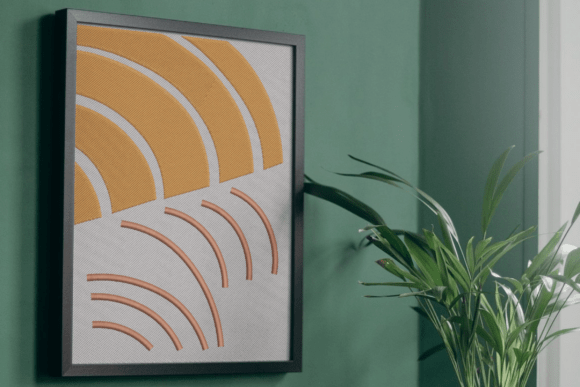
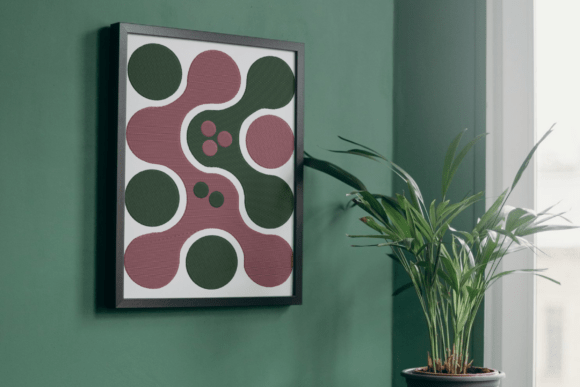
The first thing that strikes you about the Modern Geometric Embroidery Design is its clean, architectural presence. In a market saturated with overly complex floral motifs or cartoonish graphics, this design stands out for its minimalism. It falls squarely into the Shapes category, yet it manages to feel organic rather than rigid. The layout suggests a balance between boldness and subtlety, making it versatile enough for both casual streetwear and elevated loungewear.
When I loaded the embroidery file into my software, the stitch path appeared logical, which is often a good indicator of a well-digitized file. The design does not rely on excessive satin stitches that might pucker lightweight fabrics, nor does it use dense fill stitches that could weigh down a cozy hoodie. Instead, it utilizes a mix of running stitches and strategic fills that create texture without bulk. This "stitching personality" is crucial for modern apparel, where comfort is just as important as aesthetics.
Performance on Sweatshirts and Hoodies
The true test of any sweatshirt embroidery design is how it interacts with thick, textured fabrics. I applied this design to three different types of garments: a heavy-weight neutral cotton sweatshirt, a dark charcoal fleece hoodie, and a soft pastel oversized pullover. The results were distinct but consistently strong.
- Neutral Sweatshirts: On beige and oatmeal tones, the design acted as a subtle textural element. It didn't scream for attention but added a layer of sophistication that justified a higher price point.
- Dark Fabric: On black or navy fleece, the contrast became key. Using metallic or bright thread colors made the geometric lines pop, giving the piece a bold, contemporary edge suitable for urban fashion.
- Pastel Colors: For spring collections, the design felt playful yet refined. It complemented the softness of the fabric without overpowering the gentle color palette.
For hoodie design placements, I found the chest area to be the most impactful. The scale of the geometry was perfect for a left-chest logo style or a centered statement piece. It also worked surprisingly well as a sleeve accent, adding a decorative touch that customers often associate with high-end custom apparel.
Technical Considerations for Commercial Use
For Etsy sellers and small shop owners, technical reliability is non-negotiable. A failed stitch can ruin expensive blank garments and damage your reputation. Here are the practical concerns I evaluated during my review:
Stitch Density and Fabric Texture
The stitch density of this design appears moderate, which is ideal for the looped surface of terry cloth or fleece. High-density designs often sink into plush fabrics, losing definition. This design maintains its clarity because the spacing allows the fabric texture to breathe. However, always test on your specific blank supplier’s material, as fleece thickness varies wildly between brands.
Stabilizer Choice
Given the geometric nature of the lines, stability is crucial to prevent distortion. I recommend using a medium-weight cut-away stabilizer for sweatshirts. This ensures that the finished product retains its shape after multiple washes. Avoid tear-away stabilizers for this application, as the stretching inherent in knit fabrics can cause the stitches to pull away from the edges over time.
Thread Color Contrast
Because the design relies on Shapes and lines, thread choice defines its character. Monochromatic threading (matching the shirt color) creates a luxurious, tonal look that appeals to minimalist buyers. High-contrast threading makes it a graphic statement piece. Both approaches work, but your marketing photos should reflect the vibe you are selling.
Enhancing Brand Identity and Product Value
Using a distinctive design like the Modern Geometric Embroidery Design does more than decorate a garment; it builds brand identity. In the world of commercial embroidery, consistency is key. If your boutique brand focuses on modern, clean aesthetics, this design reinforces that message visually. Customers begin to recognize your style, which fosters trust and loyalty.
Furthermore, embroidered items perceive higher value than printed ones. The tactile nature of the thread adds a sensory experience that flat ink cannot replicate. When you pair this high-quality digital embroidery file with premium blanks, you justify a higher retail price. It transforms a basic small shop product into a curated fashion item.
Marketing and Visual Presentation
For online sellers, visual presentation is everything. This design photographs beautifully because the geometric lines catch the light, creating natural shadows and depth. When creating your printable mockup or lifestyle photos, focus on close-ups that show the stitch quality. Highlight the precision of the corners and the smoothness of the curves. These details signal quality to potential buyers scrolling through Etsy or Instagram.
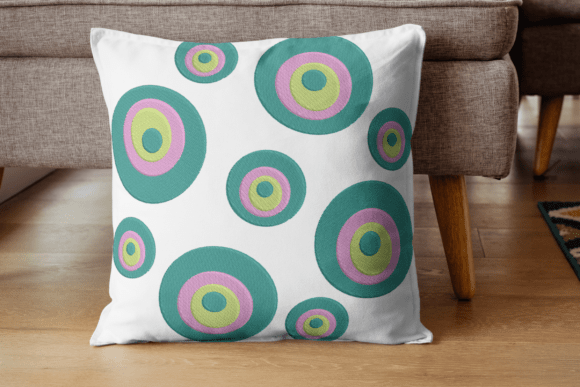
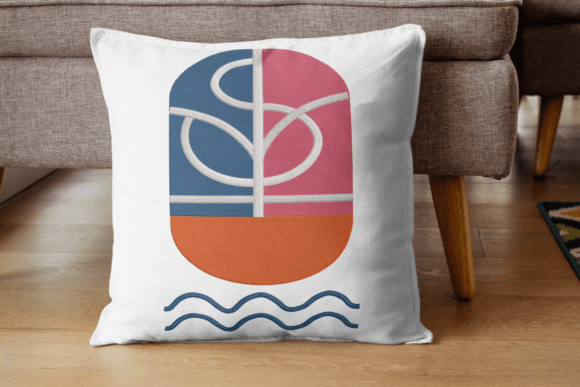
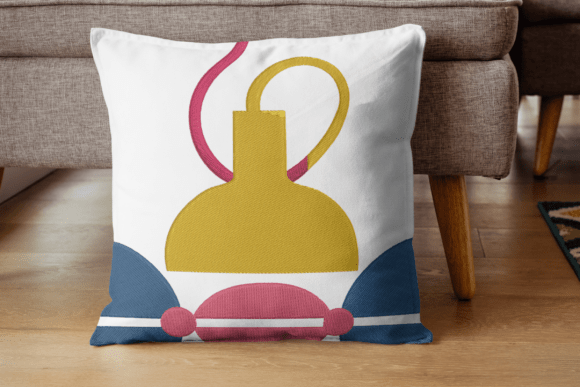
Consider using the design across a range of products to maximize your design assets. While it shines on sweatshirts, the description notes it is perfect for accessories and home decor. Imagine matching tote bags or pillow covers featuring the same geometric motif. This cross-promotion can increase average order value and strengthen your brand’s visual recognition.
Final Verdict for Designers and Makers
The Modern Geometric Embroidery Design is a robust addition to any designer’s library. It bridges the gap between abstract art and wearable fashion. It is not just a pretty picture; it is a functional, durable, and stylish element that enhances the perceived value of handmade goods. Whether you are creating a cozy seasonal apparel line or a year-round basics collection, this design offers the flexibility needed to experiment with placement and color.
Before starting production, always verify the specific hoop size requirements and file formats compatible with your machine, as these details are critical for seamless integration. Check the license terms to ensure it meets your needs for commercial embroidery sales. With proper testing and thoughtful presentation, this design can become a staple in your portfolio, helping you stand out in a crowded marketplace with elegance and precision.