Sea Cow Machine Embroidery Pattern Review
As an embroidery designer who has spent years helping small businesses translate their brand identity into thread, I approach every new machine embroidery design with a critical eye. It is not enough for a file to look cute on a screen; it must perform under the needle, withstand washing, and elevate the perceived value of the finished product. Recently, I evaluated the Sea Cow Machine Embroidery Pattern, a digital asset categorized under Marine Mammals, to determine its viability for commercial use. This review focuses on how this specific embroidery file functions within the context of branded merchandise, from boutique apparel to custom accessories.
First Impressions: Visual Personality and Brand Fit
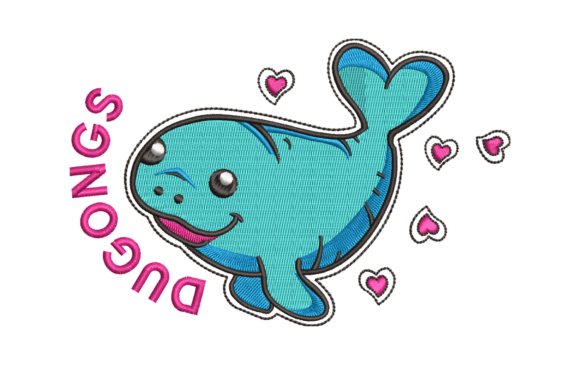
The immediate impression of the Sea Cow Machine Embroidery Pattern is one of approachable charm. The description highlights an "Adorable Manatee," which suggests a playful, friendly aesthetic rather than a rigid or corporate look. For brands in the lifestyle, family-oriented, or eco-conscious sectors, this visual personality is a significant asset. It feels handmade and warm, avoiding the sterile precision that sometimes plagues digitized art.
However, "cute" can be a double-edged sword in professional branding. The key is execution. Does the design maintain its integrity when scaled down? In my initial assessment, the lines appear clean, suggesting that the digitizer considered the limitations of thread. For a business selling beachwear, nursery decor, or tote bags, this design aligns perfectly with a relaxed, ocean-inspired brand identity. It communicates trust and warmth, which are crucial for customer engagement in the handmade market.
Real-World Applications for Small Business Merch
When integrating the Sea Cow Machine Embroidery Pattern into a product line, versatility is paramount. Here is how I envision this design performing across various commercial embroidery projects:
- Embroidered Patches: This is perhaps the strongest use case. A well-digitized manatee makes for an excellent iron-on or sew-on patch. Patches allow customers to customize their own gear, extending the life of your brand beyond the initial purchase. Ensure the edges are satin-stitched cleanly to prevent fraying.
- Tote Bag Design: Canvas totes are a staple for Etsy sellers and boutique shops. The organic shape of a sea cow complements the natural texture of canvas. Placing the design off-center or as a corner accent can create a modern, understated look that appeals to adult buyers, not just children.
- Cap Embroidery: Front-panel caps require designs that are wide but not too tall. If the Sea Cow Machine Embroidery Pattern has a horizontal orientation, it could work beautifully here. However, curved surfaces distort stitching, so testing on actual cap blanks is non-negotiable.
- Apron Embroidery: For cafes, bakeries, or florists, staff uniforms are walking billboards. An apron with a subtle marine motif adds character without being overwhelming. It signals a fun, creative workplace culture.
- Kids’ Clothing: As noted in the product description, this design is perfect for children’s wear. On soft cotton blends, the manatee can serve as a central chest logo or a sleeve detail, adding value to basic garments.
Technical Considerations and Potential Pitfalls
While the aesthetic appeal is high, technical execution determines whether a digital embroidery file becomes a bestseller or a return statistic. There are specific areas where the Sea Cow Machine Embroidery Pattern requires careful handling.
Stitch Density and Fabric Texture: Manatees are rounded creatures. If the digitizing relies heavily on dense fill stitches to create shading, it may cause puckering on lightweight fabrics like t-shirts or baby clothes. Always check the stitch density settings. If the design is too dense, consider using a cut-away stabilizer for stretchy fabrics or a heavy tear-away for wovens. On textured fabric, such as terry cloth towels, fine details may get lost. In such cases, simplify the color palette to ensure the shape remains recognizable.
Small Patch Sizes: If you intend to use this as a tiny label or a small chest logo, verify that the internal details do not merge. Thread has thickness; what looks sharp on a monitor can become a blob at one inch wide. Test the design at its smallest intended size before committing to a large production run.
Dark Uniforms: The description mentions "ocean charm," which often implies blues and greens. On dark navy or black uniforms, these colors may lack contrast. You may need to adjust the thread colors or add a white underlay or border to make the Sea Cow Machine Embroidery Pattern pop against dark backgrounds.
Enhancing Brand Identity and Customer Trust
Consistency in design assets builds brand recognition. Using a cohesive theme, such as Marine Mammals, across your product line creates a narrative. When a customer sees the same high-quality manatee design on a tote bag, a patch, and a shirt, it reinforces professionalism. It tells the buyer that you care about the details.
Furthermore, high-quality custom apparel increases the perceived value of your brand. A poorly stitched logo suggests a careless business, while a crisp, well-balanced embroidery suggests premium quality. The Sea Cow Machine Embroidery Pattern, if executed correctly, can serve as a signature element that distinguishes your handmade product from mass-produced alternatives. It invites emotional connection, which is the driver of loyalty in the small business sector.
Practical Designer Notes for Production
Before you load this file into your machine for a client order or inventory build, follow these steps to ensure success:
- Test in Black and White: Remove color from your simulation software. If the design loses its shape without color cues, the digitizing may rely too much on thread hue rather than stitch direction. This ensures the silhouette is strong.
- Verify Hoop Size: The product description does not specify exact dimensions. Check the file properties to confirm it fits your standard hoop size. Do not assume it will fit a 4x4 hoop if it was designed for a 5x7.
- Check Commercial Licensing: Never assume a file is free for commercial use. Read the license terms included with the download. Ensure you are allowed to sell physical items made with this embroidery file.
- Create a Printable Mockup: Before stitching, place the design on a digital mockup of your intended product. This helps visualize scale and placement, saving time and thread.
- Stabilizer Selection: Match your stabilizer to your fabric. For a sturdy tote bag, a medium-weight tear-away may suffice. For a stretchy kids’ shirt, a light cut-away is essential to prevent distortion after washing.
- Thread Color Contrast: Choose thread colors that complement your base fabric. If using blue thread on a blue shirt, ensure there is enough tonal difference to be visible.
In conclusion, the Sea Cow Machine Embroidery Pattern offers significant potential for small business owners looking to add a touch of whimsical professionalism to their merchandise. By respecting the technical constraints of embroidery and aligning the design with your brand’s visual identity, you can create products that resonate with customers. Always prioritize testing and quality control to ensure that every stitched manatee represents the high standards of your craft.